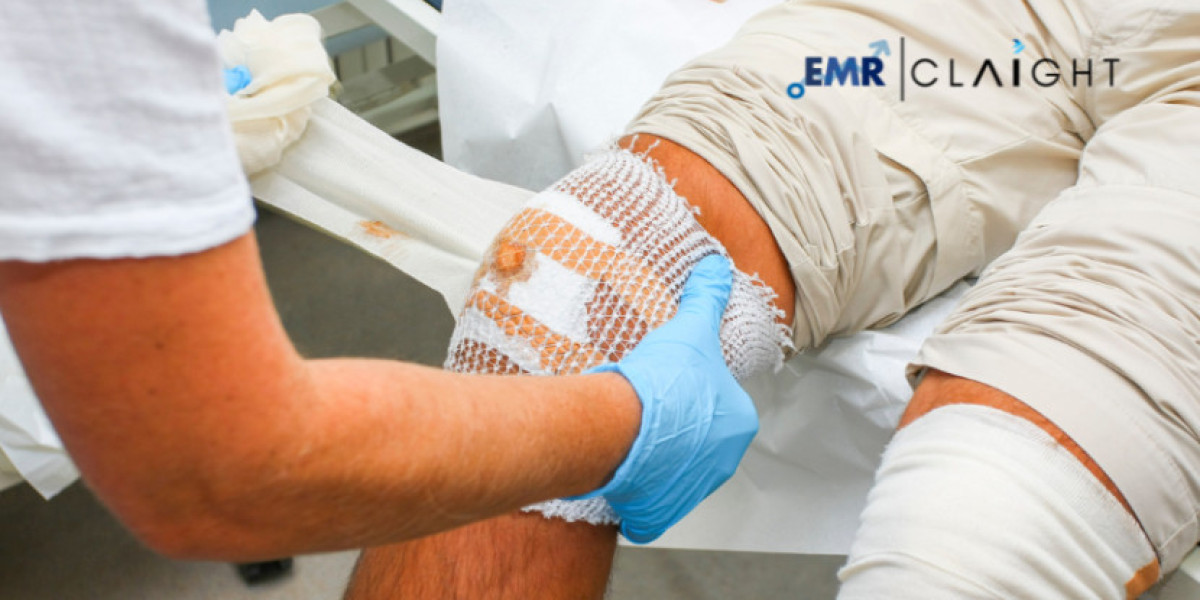

The global wound care market is a crucial sector in the healthcare industry, primarily driven by the increasing incidence of chronic wounds worldwide. Wound care involves medical interventions to promote the healing process and prevent complications such as infections. Chronic wounds, which include diabetic foot ulcers, pressure ulcers, and venous leg ulcers, are becoming increasingly prevalent due to the rising incidence of conditions such as diabetes, aging populations, and increased life expectancy. The wound care market offers a wide range of products, including advanced wound dressings, surgical wound care, traditional wound care, and wound care devices. As these needs grow, the market is expected to expand significantly.
In 2024, the global wound care market was valued at USD 23.15 billion. The market is forecasted to grow at a compound annual growth rate (CAGR) of 5.00% from 2025 to 2034, reaching an estimated value of USD 37.71 billion by 2034. This growth is driven by various factors, including the increasing prevalence of chronic wounds, rising healthcare costs, the expanding elderly population, and advancements in wound care technologies. The market is poised to see significant investment in research and development, which will contribute to the development of new treatments and therapies.
Market Size and Share
The wound care market is experiencing consistent growth due to the increasing number of people suffering from chronic wounds, especially in the aging population. In 2024, the market was valued at USD 23.15 billion, and it is expected to expand at a CAGR of 5.00% during the forecast period. By 2034, the market is predicted to reach USD 37.71 billion. The largest share of the wound care market is attributed to advanced wound dressing products, which are essential for treating chronic and complex wounds. The rising awareness regarding proper wound care and the growing number of healthcare centers dedicated to wound management contribute significantly to the market expansion.
North America holds a dominant share of the global wound care market due to advanced healthcare infrastructure and increasing healthcare expenditure. Europe also contributes significantly to the market, driven by the growing elderly population and the demand for advanced wound care products. The Asia Pacific region is expected to grow rapidly, supported by increasing awareness, rising healthcare access, and the expanding healthcare infrastructure in countries like India and China.
Market Trends
- Adoption of Advanced Wound Dressings
One of the most significant trends in the wound care market is the increasing adoption of advanced wound dressings. These dressings, which include hydrocolloids, foams, alginates, and hydrofibers, offer better absorption and moisture management for chronic and acute wounds. They help accelerate the healing process and reduce complications, making them the preferred choice in both clinical and home care settings. The growing demand for advanced wound dressings is expected to continue as they provide superior healing outcomes and better patient comfort. - Technological Innovations in Wound Care Devices
The wound care industry has witnessed rapid advancements in wound care devices, particularly in the area of negative pressure wound therapy (NPWT) and electrical stimulation devices. These technologies help promote faster healing by improving blood flow and stimulating tissue regeneration. The incorporation of AI and digital tools in wound care devices for monitoring and management further enhances their effectiveness. As the technology continues to evolve, these devices will play an increasingly important role in both acute and chronic wound care treatment. - Rising Demand for Homecare Wound Care Solutions
There is a growing trend towards homecare wound care solutions as patients prefer managing their wounds in a comfortable and cost-effective environment. With the advent of user-friendly wound care products, including self-care dressings and portable wound care devices, more patients are opting for homecare options. This shift is driven by a desire for convenience, lower healthcare costs, and the ease of accessing wound care products through online platforms and pharmacies. Homecare settings are expected to drive the growth of the wound care market in the coming years. - Increased Focus on Chronic Wounds
Chronic wounds, including diabetic foot ulcers, pressure ulcers, and venous leg ulcers, are a significant concern in the wound care market due to their prolonged healing times and higher risk of complications. With the global rise in chronic diseases such as diabetes and obesity, the number of individuals suffering from chronic wounds is increasing. This trend is expected to contribute to the growing demand for wound care products tailored for chronic wounds, particularly advanced wound dressings and specialized care products.
Get a Free Sample Report with Table of Contents
Market Analysis
- Rising Incidence of Chronic Wounds
The growing prevalence of chronic wounds, particularly in elderly populations and individuals with chronic conditions such as diabetes and vascular diseases, is a major driver for the wound care market. Chronic wounds are more difficult to heal and require advanced, specialized care. As a result, the demand for advanced wound care products, including dressings and devices that support healing, is on the rise. This trend is expected to continue as the global burden of chronic diseases grows. - Healthcare Advancements in Wound Management
Healthcare advancements, including the development of advanced wound dressings and the use of innovative wound care devices, are significantly improving wound healing outcomes. The integration of technologies such as negative pressure wound therapy, bioengineered skin substitutes, and antimicrobial dressings are allowing for faster and more effective healing. These innovations are essential for treating chronic wounds, further driving the wound care market growth. - Growth of Homecare and Ambulatory Settings
With an increasing number of patients opting for homecare services due to convenience and cost-effectiveness, wound care in homecare settings is becoming more common. This trend is accompanied by the availability of wound care products that are suitable for home use, including advanced dressings, topical solutions, and wound care devices. Additionally, ambulatory surgical centers, which offer outpatient care and lower costs, are emerging as important players in the wound care space. - Increasing Healthcare Expenditure
As healthcare expenditures rise globally, particularly in developed regions, the demand for wound care products and services is growing. Healthcare systems are increasingly investing in advanced wound care solutions to reduce the incidence of complications, improve healing outcomes, and reduce overall treatment costs. Governments and healthcare providers are also emphasizing the importance of efficient wound care management, which further contributes to market growth.
Market Segmentation
Scope of the Report
The report provides historical and forecast trends, industry drivers and constraints, and market analysis by segment for the wound care market. It also offers an in-depth analysis of product types, wound types, mode of purchase, end users, and regional performance.
Breakup by Product Type
The wound care market is segmented into several product types, including advanced wound dressing, surgical wound care, traditional wound care, and wound care devices. Advanced wound dressings, such as hydrocolloids, foams, and alginates, dominate the market due to their effectiveness in treating chronic and acute wounds. Surgical wound care products are used for post-operative wound management, while traditional wound care products, like gauze and bandages, continue to serve as basic treatment options. Wound care devices, including negative pressure wound therapy systems, are used for specialized care in managing severe wounds.
Breakup by Wound Type
The market is segmented into chronic and acute wounds. Chronic wounds, such as diabetic foot ulcers, venous leg ulcers, and pressure ulcers, represent a major portion of the market due to their prolonged nature and complicated healing process. Acute wounds, which occur due to injury, surgery, or burns, also require specialized care but typically heal faster compared to chronic wounds. The increasing prevalence of chronic diseases is expected to drive the demand for products aimed at treating chronic wounds.
Breakup by Mode of Purchase
Wound care products are purchased either through prescription-based channels or non-prescribed channels. Prescription-based products are generally more specialized and used in clinical settings or for the treatment of complex wounds, while non-prescribed products are widely available in pharmacies and used for everyday wound management. As patients and healthcare providers seek more affordable options, the market for non-prescribed wound care products continues to grow.
Breakup by End User
End users of wound care products include hospitals, ambulatory surgical centers, specialty clinics, homecare settings, and others. Hospitals are the largest end-user segment, where wound care is an essential part of patient care, particularly in surgical or trauma care. Ambulatory surgical centers and specialty clinics are emerging as key players, as they provide specialized care for patients with wounds. Homecare settings are seeing growth, especially in countries with advanced healthcare systems where individuals prefer managing wounds at home.
Regional Insights
North America holds the largest share of the global wound care market, primarily due to the region’s advanced healthcare infrastructure and high levels of healthcare spending. The United States, with its high prevalence of chronic diseases and well-established healthcare system, is the key market within North America. Additionally, Europe is also a significant market, where the increasing elderly population and demand for advanced wound care products contribute to market growth.
The Asia Pacific region is expected to witness the highest growth in the coming years. As healthcare infrastructure improves, especially in countries like India and China, the demand for wound care products and services is rising. Increased awareness about wound management, coupled with the expansion of healthcare facilities, will drive the market in the region.
Market Growth
The wound care market’s growth is driven by factors such as the increasing prevalence of chronic wounds, advancements in wound care technology, and the rise in healthcare expenditure. Additionally, the aging global population, combined with the rising incidence of chronic diseases, is contributing to the growing demand for wound care products and services. The market also stands to benefit from ongoing innovations in wound care devices, such as negative pressure wound therapy and bioactive dressings, which promote faster healing and better patient outcomes.
Recent Developments & Challenges
- Technological Advancements
Innovative wound care technologies, including bioactive dressings, negative pressure wound therapy, and smart wound care devices, have enhanced the treatment of chronic wounds, accelerating market growth. - Rising Demand for Homecare Solutions
There is an increasing demand for home-based wound care products, driven by patient preference for convenience, privacy, and cost-effectiveness. - Regulatory Challenges
The wound care market faces regulatory challenges, as products must meet stringent quality and safety standards across regions. This can delay the approval and availability of new products. - Healthcare Access in Emerging Markets
While the Asia Pacific region shows high growth potential, healthcare infrastructure and access to advanced wound care products remain challenges in emerging economies.
Key Players
- 3M Company
3M Company is a leading player in the wound care market, offering a wide range of products, including advanced wound dressings and medical devices. The company’s innovative solutions, including hydrocolloid and foam dressings, help accelerate wound healing and prevent infections. - Smith & Nephew plc
Smith & Nephew is a global player specializing in advanced wound care solutions. Their portfolio includes hydrocolloid dressings, negative pressure wound therapy devices, and antimicrobial products designed to enhance wound healing outcomes for both chronic and acute wounds. - Integra LifeSciences Holdings Corporation
Integra LifeSciences is a prominent company in the wound care market, focusing on advanced wound care products and surgical instruments. Their range of products includes collagen-based dressings and skin substitutes for chronic wound management. - Mölnlycke Health Care AB
Mölnlycke Health Care is known for its innovative solutions in wound care, including the Mepilex range of advanced dressings. The company is committed to improving the quality of life for patients with chronic wounds through evidence-based products.
Other companies in the wound care market include ConvaTec Group plc, Coloplast A/S, Medtronic plc, Johnson & Johnson Services, Inc., B. Braun Melsungen AG, Paul Hartmann AG, and Cardinal Health.
FAQs
- What are the main drivers of growth in the wound care market?
The main drivers include the increasing prevalence of chronic wounds, advancements in wound care technology, and a growing global focus on improving wound healing outcomes. - What are the key segments of the wound care market?
Key segments include advanced wound dressings, surgical wound care, traditional wound care, and wound care devices, as well as chronic and acute wounds. - Which region holds the largest share in the wound care market?
North America currently holds the largest share, driven by advanced healthcare infrastructure and high healthcare expenditure. - What challenges does the wound care market face?
Challenges include regulatory hurdles, healthcare access in emerging markets, and the rising cost of healthcare.
Read Our Blog
Global Vessel Sealing Device Market: Top 9 Leading Providers & Innovations 2025 - https://bitl.to/4BUS
India Healthcare Investment Surge: Bajaj, Adani, Reliance - https://bitl.to/4BUU