

Unveiling the Secrets of Safety Transformers: Illuminate Your World with Confidence!
In an era where electrical safety is paramount, understanding the role of safety transformers becomes crucial. These devices are not just components of an electrical system; they are the guardians of our homes and workplaces, ensuring that lighting applications operate safely and efficiently. Safety transformers are designed to minimize the risk of electrical shocks and short circuits, making them indispensable for both residential and commercial settings. In this article, we will delve deeper into what safety transformers are, their unique features, and the myriad ways they can enhance our lighting experiences, ultimately allowing us to illuminate our spaces with confidence.
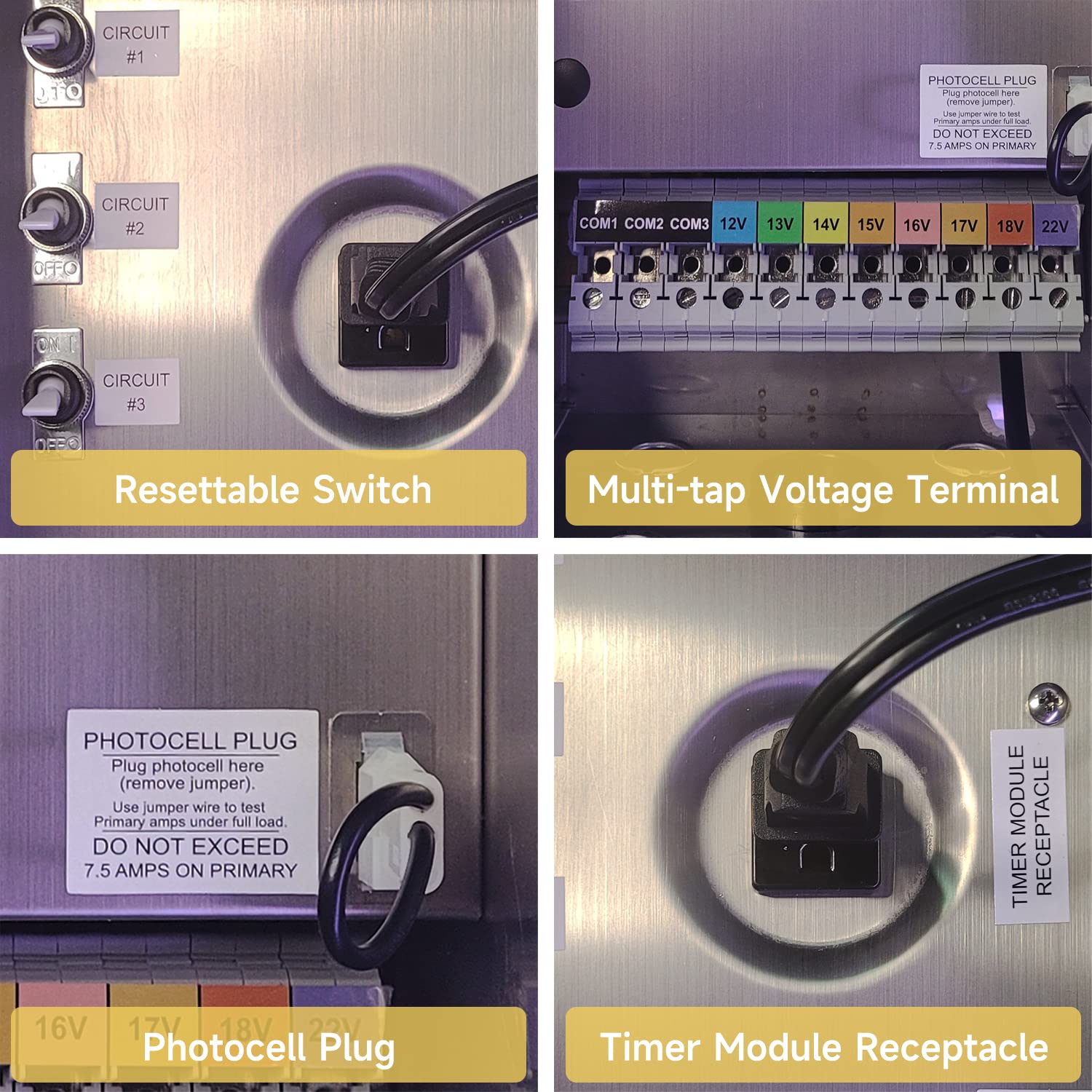
Understanding Safety Transformers
Safety transformers are specialized electrical devices that convert high-voltage electricity into a lower, safer voltage. Unlike regular transformers that may not prioritize safety in their design, safety transformers are engineered to protect users from electrical hazards. They function by isolating the secondary circuit from the primary circuit, which significantly reduces the risk of electrical shock. This isolation feature is particularly important in environments where water is present, such as bathrooms or outdoor areas. The design of safety transformers typically includes reinforced insulation and protective casings to enhance their reliability and safety, making them a fundamental component in any electrical installation that prioritizes user safety.
Key Features of Safety Transformers
The uniqueness of safety transformers lies in several key features that set them apart from standard transformers. One of the most significant features is their isolation capability, which prevents any direct electrical connection between the input and output, thereby safeguarding users from potential shocks. They also operate at low voltage output, usually below 50 volts, which is generally considered safe for human contact. Additionally, safety transformers are equipped with built-in protection mechanisms against overloads and short circuits, ensuring that they can withstand irregular electrical conditions without compromising safety. These features make safety transformers essential for any lighting application where human safety is a priority.
Applications in Lighting
Safety transformers find extensive applications across various lighting settings, including residential homes, commercial buildings, and outdoor environments. In residential areas, they are often used to power low-voltage lighting systems, such as garden lights or bathroom fixtures, where the risk of moisture is high. For commercial applications, safety transformers are crucial in retail spaces where display lighting must be both functional and safe for customers. In outdoor settings, such as parks or public spaces, these transformers ensure that lighting remains operational and safe even in adverse weather conditions. A friend of mine once installed safety transformers in her garden lighting system, which not only enhanced the aesthetic appeal but also provided peace of mind knowing her children could safely play nearby.
Benefits of Using Safety Transformers
Incorporating safety transformers into lighting systems offers numerous benefits that extend beyond mere compliance with safety standards. Firstly, they significantly improve safety by reducing the risk of electrical shocks, particularly in high-risk areas. Secondly, safety transformers enhance energy efficiency by enabling the use of low-voltage lighting solutions, which consume less power while providing sufficient illumination. Furthermore, their versatility in design allows for creative lighting solutions that can adapt to various environments and applications. For instance, using low-voltage LED lights powered by safety transformers can create stunning visual effects without the associated risks of traditional lighting methods.
Installation and Maintenance Considerations
When installing safety transformers, it is critical to engage a qualified electrician who can ensure that all connections and wiring comply with local electrical codes. Proper installation not only provides assurance of functionality but also minimizes potential safety issues that could arise from improper setup. Regular maintenance, including periodic testing of the transformers, can help identify any signs of wear or potential problems leading to serious safety hazards. By following the manufacturer's guidelines and checking all connections, you can maintain the performance and safety of your lighting system.
Enhancing Electrical Safety with Transformers
In summary, safety transformers play a vital role in enhancing electrical safety, particularly in lighting applications. Their unique features, including isolation and low voltage output, make them indispensable for residential, commercial, and outdoor lighting systems. By understanding the benefits and applications of safety transformers, individuals can make informed decisions about their lighting needs, ensuring a safe and efficient environment for everyone. As you consider your own lighting solutions, remember the crucial role that safety transformers can play in illuminating your world with confidence.