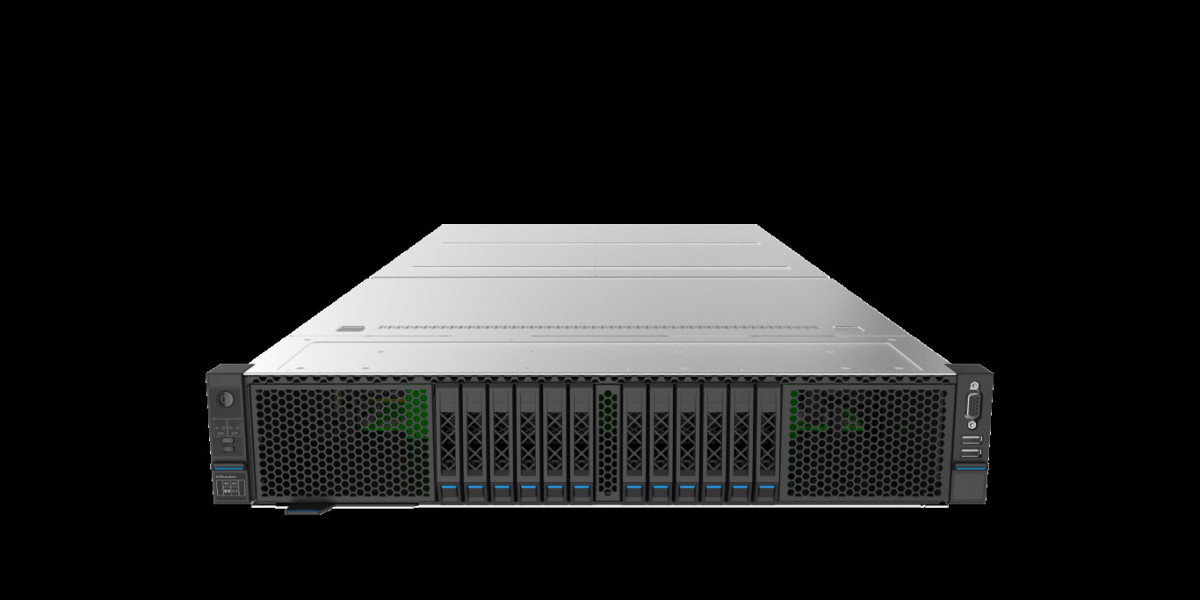

Tower servers are a form of server, which is an independent and upright cabinet, also known as chassis configuration. From the appearance, the tower server is similar to the traditional desktop tower computer and is considered the most economical server choice.
Tower servers use minimal components and software, making it easier for organizations to customize specific tasks, keep overhead low, and maintain upgrade strategies. The installation ability of rack and blade servers makes them a more convenient choice in terms of space and scalability. However, most organizations don't need servers with an entire metal frame.
When the lack of resources (whether space, skills, time, or money) prevents organizations from adopting more scalable data center solutions, small and medium-sized organizations can use tower servers to meet their specific needs.
This paper will introduce what the tower server can do, its advantages and disadvantages, and its differences from other structural models.
What does the tower server do?
Although rack servers, blade servers, and tower servers differ greatly in appearance and configuration, they differ little in function.
Tower servers can support most basic applications and can be configured for network purposes such as file management, communication, system security,y or web hosting.
So, what are the advantages and disadvantages of using tower servers?
advantage
Component density is much lower than that of blade servers or rack servers, so it is easier to cool.
Simply upgrade and configure to the exact needs of the organization.
Fewer space constraints mean that you can easily install additional drives.
Less maintenance is required compared to rack and blade configurations.
Ideal for small organizations that need server functions with limited processing power.
disadvantage
Larger and heavier than rack or blade servers with the same computing power.
Equipment problem, because each tower needs a separate cable, monitor, and KVM.
When multiple tower servers have a dedicated AC unit, noise will be generated.
Not suitable for large organizations with volatile processing requirements.
Tower server vs. blade server and rack server
The biggest difference between tower servers and similar servers lies in the functions and uses of small businesses. Although there may be a lot of servers (calculated by U) in the slots of the data center, a tower server is not much different from another computer in the office. Racks and blade servers have advantages in serving private network segments and modern workloads, but not every organization has this advantage.


entradas populares
-
ไม่มีขั้นต่ำในการเดิมพันฟุตบอลออนไลน์
Por dorrislamilami -
 Диплом колледж цена.
Por jodymussen8870
Диплом колледж цена.
Por jodymussen8870 -
 Redeem 1Win Exclusive Free Spins for High Rewards in 2025
Por Jameson Kling
Redeem 1Win Exclusive Free Spins for High Rewards in 2025
Por Jameson Kling -
 BetWinner Promo Code: Unlock Advanced Betting Tools with LUCKY2WIN
Por Jameson Kling
BetWinner Promo Code: Unlock Advanced Betting Tools with LUCKY2WIN
Por Jameson Kling -
 Купить аттестат об основном образовании.
Por virgievju61361
Купить аттестат об основном образовании.
Por virgievju61361