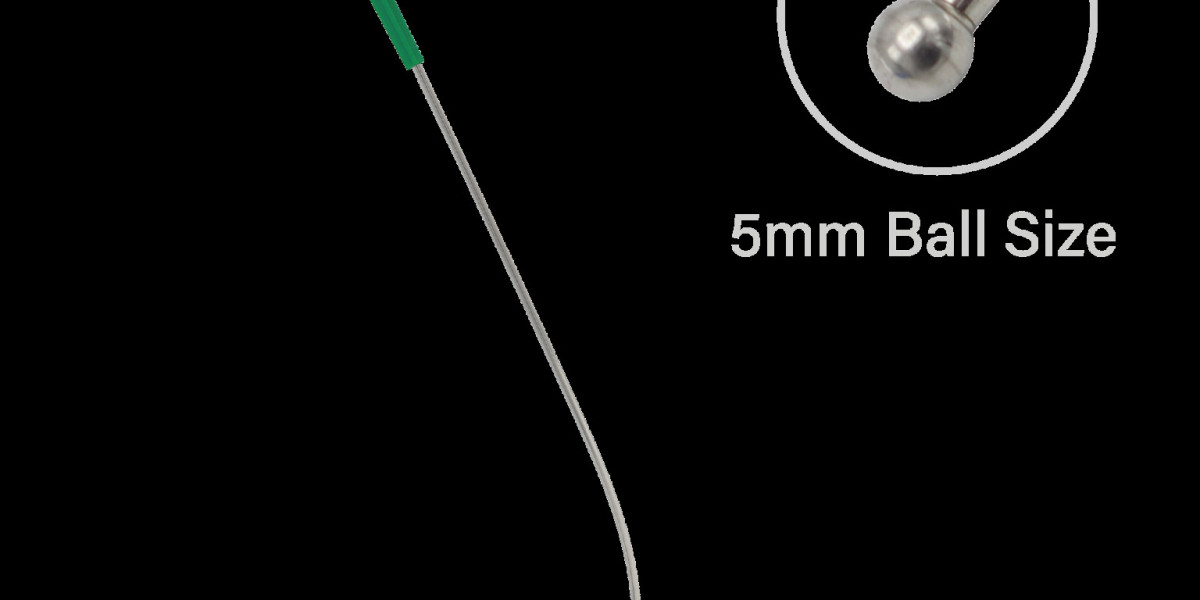

Airway management is a cornerstone of patient safety during anesthesia, emergency medicine, and critical care procedures. Securing the airway effectively ensures that the patient receives adequate ventilation and oxygenation, which is essential for survival, especially in high-risk surgeries or emergency situations. One of the tools that has gained significant attention in improving airway management is the single-use intubation stylet. This disposable device has shown to significantly enhance the intubation process, contributing to improved patient outcomes in terms of both safety and efficiency.
What is a Single-Use Intubation Stylet?
A single-use intubation stylet is a flexible, disposable medical device designed to assist in guiding the placement of an endotracheal tube (ETT) during intubation. The stylet is inserted into the ETT, providing it with the necessary rigidity to facilitate easy manipulation and accurate placement within the trachea. The single-use nature of the stylet ensures that it is sterile and disposed of after one use, preventing any risk of cross-contamination or infection associated with reusable devices.
The Importance of Airway Management in Patient Outcomes:
Airway management is one of the most critical aspects of patient care, particularly in situations where patients are unable to maintain their own airway. Whether in elective surgeries, trauma cases, or emergencies, the success of intubation can determine the patient's ability to receive adequate oxygen, minimize the risk of aspiration, and prevent life-threatening complications like hypoxia, cardiovascular instability, or brain injury. Inaccurate or failed intubation attempts can lead to increased morbidity, mortality, and prolonged hospital stays. As such, ensuring the use of the best tools for airway management is essential in optimizing patient outcomes.
How Single-Use Intubation Stylets Improve Airway Management
1. Enhanced Precision in Intubation:
In difficult airway cases, where the patient's anatomy may pose a challenge—such as in patients with limited mouth opening, obesity, or trauma—the precision of the intubation process is crucial. A single-use intubation stylet offers flexibility and control, allowing clinicians to manipulate and guide the ETT into the correct position more effectively. Its adjustable nature means it can be molded to match the shape of the airway, providing greater precision during intubation. This level of control reduces the likelihood of improper tube placement, minimizing the chances of complications such as aspiration or injury to the larynx or trachea.
2. Reduced Risk of Complications and Trauma:
Repeated intubation attempts can increase the risk of injury to the airway, which is particularly concerning in high-risk patients. With a single-use intubation stylet, the likelihood of multiple attempts is reduced. Since the stylet is flexible and designed to enhance ease of tube placement, clinicians are more likely to secure the airway on the first attempt. Fewer attempts mean less mechanical trauma to the patient's airway structures, reducing the chances of complications such as vocal cord injury, laryngospasm, or esophageal intubation. This results in a smoother and safer intubation process, ultimately leading to better patient outcomes.
3. Improved Patient Safety Through Sterility:
One of the primary concerns in healthcare settings is the risk of cross-contamination and hospital-acquired infections. Reusable intubation devices, including stylets, can harbor bacteria and viruses even after cleaning and sterilization. This is particularly concerning in critical care units or emergency settings, where patients may have compromised immune systems. The single-use nature of the intubation stylet eliminates this concern. Every stylet used is sterile, reducing the risk of infection and ensuring that patients are not exposed to potentially harmful pathogens. This sterile, one-time use feature plays a crucial role in improving patient safety and preventing healthcare-associated infections, which can prolong recovery times and increase healthcare costs.
4. Faster Intubation Process and Reduced Time Under Anesthesia:
The speed at which an airway is secured is of utmost importance, particularly in trauma cases or surgeries where rapid intervention is required. Failure to secure an airway quickly can lead to significant complications, including oxygen desaturation, cardiovascular instability, or even death. The single-use intubation stylet provides an efficient and reliable means of securing the airway, reducing the time spent on intubation. Its simplicity and readiness for immediate use allow healthcare professionals to act quickly, which is particularly beneficial in emergency or high-risk settings. A faster, smoother intubation process also means the patient spends less time under anesthesia, reducing the associated risks.
5. Minimization of Infection Risks and Cross-Contamination:
Infection control is a major consideration in modern healthcare, especially in environments such as operating rooms, intensive care units, and emergency departments, where patients are at higher risk of developing healthcare-associated infections. Single-use intubation stylets address this issue by being sterile, single-use devices that are disposed of after the procedure. There is no need to clean or sterilize reusable devices between patients, thus preventing any risk of cross-contamination. The use of disposable equipment ensures a higher level of hygiene, reducing the chances of healthcare-associated infections that could delay recovery or complicate the patient’s treatment.
6. Cost-Effectiveness and Long-Term Benefits:
While disposable medical devices may appear to be more costly on the surface, the long-term benefits of single-use intubation stylets can make them more cost-effective in the overall healthcare setting. Reusable stylets require cleaning, sterilization, and periodic replacement due to wear and tear, which incurs additional operational costs. Moreover, the cost of treating infection-related complications—such as longer hospital stays, additional treatments, or readmissions—can far exceed the cost of using single-use devices. By reducing the incidence of infections and complications, single-use intubation stylets can ultimately lead to cost savings for healthcare facilities while also improving patient care.
Clinical Evidence Supporting Single-Use Intubation Stylets:
Several studies have demonstrated the positive impact of single-use intubation stylets on airway management outcomes. These studies show that:
Improved First-Pass Success: Single-use intubation stylets have been associated with higher first-pass success rates, particularly in difficult intubations. Their ability to enhance the ease and precision of intubation reduces the number of attempts needed to secure the airway, minimizing the risks associated with multiple intubation attempts.
Decreased Complications: Research has found that using single-use intubation stylets can lower the incidence of airway-related complications, including airway trauma, laryngospasm, and esophageal intubation, which are common in difficult intubation cases.
Lower Risk of Infection: The disposable nature of the intubation stylet ensures that each device is sterile and free from contamination, thereby reducing the risk of hospital-acquired infections that can negatively affect patient recovery.
Conclusion:
The single-use intubation stylet has proven to be a key tool in improving patient outcomes in airway management. By enhancing the precision and control of intubation, reducing complications and trauma, ensuring sterility, and speeding up the process, it provides significant benefits for both clinicians and patients. The safety, efficacy, and reliability of single-use intubation stylets make them a critical component in modern airway management, particularly in high-risk surgeries, trauma care, and emergency settings.
As healthcare facilities continue to focus on patient safety and improving clinical outcomes, the adoption of single-use intubation stylets will likely become more widespread. Their cost-effectiveness, combined with their potential to reduce complications and improve patient safety, makes them an essential tool in the ongoing efforts to optimize airway management practices and enhance overall patient care.