

Unleash Your Adventure: Discover the Magnetic Allure of Electric Mountain Bikes!
Electric mountain bikes (e-MTBs) are revolutionizing the way we experience the great outdoors, merging the thrill of traditional mountain biking with the advantages of modern technology. As the popularity of these bikes continues to surge, more and more outdoor enthusiasts are discovering the joys they offer. An electric mountain bike features a powerful motor and battery system that provide an extra boost of energy, allowing riders to tackle steep climbs and rugged terrains with ease. In this article, we’ll delve into the defining features of e-MTBs, explore their numerous benefits, and compare them to traditional mountain bikes to help you decide if this cutting-edge option is right for you.
Understanding Electric Mountain Bikes
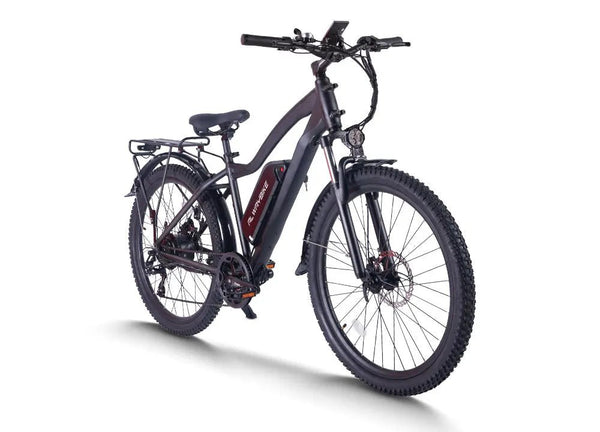
Electric mountain bikes are essentially traditional mountain bikes equipped with an electric motor and a battery. The electric motor assists the rider while pedaling, offering a smoother and more efficient ride. The key components of an e-MTB include the electric motor, which can be located in the hub or the frame; a rechargeable battery, usually mounted on the frame; and a control system that allows the rider to adjust the level of assistance provided by the motor. When you pedal, the motor engages, giving you that much-needed boost, which can be especially beneficial when tackling challenging trails. This technology not only enhances the ride experience but also encourages more individuals to embrace mountain biking, regardless of their fitness level.
Features of Electric Mountain Bikes
Electric mountain bikes boast several features that set them apart from their traditional counterparts. One of the most notable features is pedal assist, which provides power only when the rider is pedaling, allowing for a more natural biking experience. Additionally, many e-MTBs come with throttle control, enabling riders to engage the motor without pedaling, which can be helpful during technical climbs or on flat sections of trail. Weight is another important factor; while e-MTBs tend to be heavier due to the added components, advancements in technology have led to lighter options without sacrificing durability. Speaking of durability, electric mountain bikes are designed to withstand rough terrains and harsh weather conditions, ensuring they are reliable companions for all your adventures.
Benefits of Riding Electric Mountain Bikes
The advantages of riding electric mountain bikes are numerous. For starters, they significantly enhance performance, allowing riders to conquer hills and rough terrains that may have previously felt daunting. This added power also makes it easier for less experienced riders to enjoy the trails, helping them build confidence and skills without feeling overwhelmed. Furthermore, e-MTBs promote a more inclusive biking community, catering to various skill levels and physical abilities. From a health perspective, riding an electric mountain bike still provides an excellent workout, as riders engage in pedaling while receiving assistance. Plus, e-MTBs have a positive environmental impact, encouraging more people to choose cycling over driving, thus reducing carbon emissions and promoting a greener lifestyle.
Comparing Electric Mountain Bikes with Traditional Mountain Bikes
When comparing electric mountain bikes and traditional mountain bikes, several factors come into play. Firstly, consider the price; e-MTBs generally have a higher initial cost due to their advanced technology and components. However, it's essential to weigh this against the potential for increased usage and enjoyment. Maintenance can also differ; while traditional bikes require regular upkeep, e-MTBs may need additional attention regarding their electrical components and battery health. In terms of ride experience, many riders find that e-MTBs provide a unique thrill, particularly on steep climbs and challenging trails. Lastly, the target audience is shifting; e-MTBs appeal to a broader demographic, including younger riders, older adults, and those new to the sport looking for an easier entry point into mountain biking.
Embracing the Future of Mountain Biking
In summary, electric mountain bikes are paving the way for a new era of outdoor adventure, offering a thrilling blend of technology and traditional biking experience. They cater to riders of all skill levels, making challenging trails more accessible while promoting a healthier lifestyle and environmental consciousness. As you consider your own biking needs, think about the possibility of embracing this exciting trend in mountain biking. Whether you're a seasoned pro or someone looking to explore the trails for the first time, an electric mountain bike could be the perfect companion for your next adventure.