

Unlock Your Gardening Potential: Discover the Magic of Tall Raised Garden Beds!
Tall raised garden beds are quickly becoming a favorite among gardening enthusiasts, offering a perfect blend of convenience and efficiency. These elevated gardening solutions allow for a more enjoyable gardening experience, especially for those with limited mobility or those who simply want to reduce the strain on their backs while tending to their plants. Imagine being able to cultivate your favorite vegetables or flowers without bending down or kneeling on the ground! The benefits of these raised beds extend beyond just accessibility; they also provide better drainage, enhanced soil quality, and even a longer growing season. In this article, we'll delve into the numerous benefits, unique features, and a step-by-step guide on how to set up your own tall raised garden beds, ensuring you can reap the rewards of this innovative gardening method.
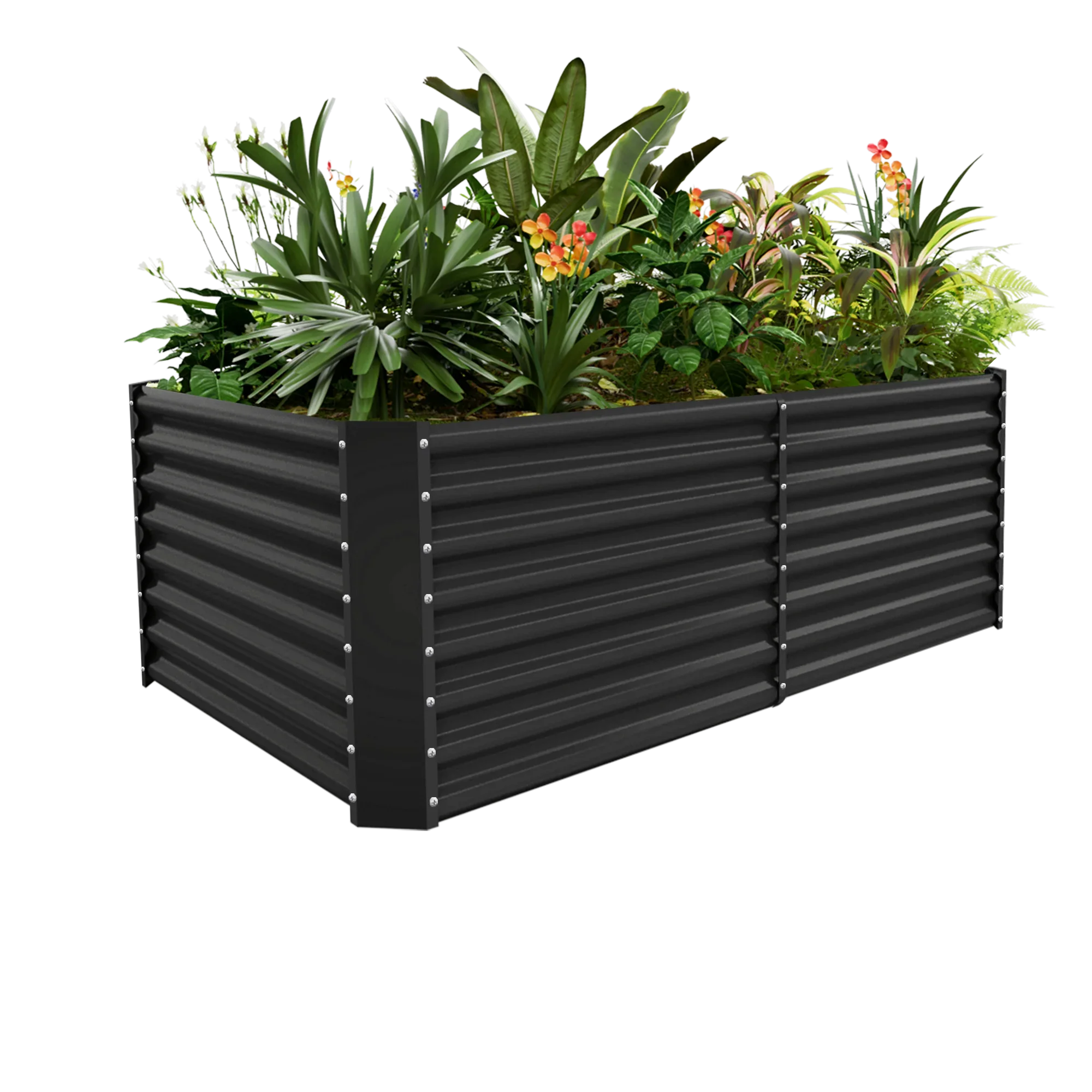
Benefits of Tall Raised Garden Beds
The advantages of tall raised garden beds are manifold, starting with improved drainage. Unlike traditional garden plots, these elevated beds allow excess water to drain away quickly, preventing waterlogging and promoting healthier root systems. Additionally, the soil quality can be significantly enhanced; gardeners can curate their soil mix to ensure optimal nutrients for plant growth. This personalization is key, especially for those growing specific crops that demand particular soil conditions. Furthermore, the extended growing season is another compelling benefit. With the soil in raised beds warming up faster in the spring and remaining warmer longer in the fall, gardeners can enjoy a lengthened cultivation period.
Another significant aspect is pest control. The height of raised beds can deter some pests, making it easier to manage your garden without resorting to harsh chemicals. Moreover, tall raised garden beds reduce the physical strain on gardeners. Bending over to tend to plants can lead to back pain and discomfort, particularly for older adults or those with mobility issues. By elevating the growing area, these beds make gardening a more accessible and enjoyable activity. Friends of mine have experienced firsthand how switching to tall raised beds has transformed their gardening routine, allowing them to spend more time enjoying their plants rather than nursing sore muscles.
Features of Tall Raised Garden Beds
Tall raised garden beds come with a variety of unique features that cater to different gardening styles and preferences. One of the most defining characteristics is their height, typically ranging from 24 to 48 inches. This elevation not only provides ease of access but also creates a visually appealing garden structure that can enhance the overall aesthetics of your outdoor space. Materials used in constructing these beds can vary widely. Wood is a popular choice due to its natural look and ease of construction, while metal and composite materials offer durability and resistance to rot and pests.
Design options for tall raised beds are virtually limitless. From simple rectangular shapes to elaborate tiered designs, gardeners can choose beds that fit their landscape and personal style. Some opt for a more organic look with rounded edges, while others may prefer sleek, modern lines. Additionally, incorporating features such as built-in irrigation systems or trellises for climbing plants can further enhance the functionality of these beds. The flexibility in design means that whether you’re looking to create a vibrant vegetable garden or a serene flower bed, tall raised garden beds can be tailored to meet your specific needs and aesthetics.
How to Set Up Tall Raised Garden Beds
Setting up tall raised garden beds is a straightforward process that can be incredibly rewarding. Begin by choosing the right location; the site should receive ample sunlight, ideally 6 to 8 hours a day, and be easily accessible for watering and maintenance. Once you've selected your spot, it's time to prepare the soil. This involves removing any grass or weeds from the area and ensuring the ground is level. Next, determine the dimensions of your raised bed. A standard width is often about 4 feet, allowing for easy reach from both sides, while the length can vary based on your space.
Assemble the raised bed using your chosen materials, ensuring that it is sturdy and stable. If you're using wood, consider treating it with a non-toxic sealant to prolong its life. After assembling the frame, fill it with a mix of high-quality soil and organic compost to create a nutrient-rich environment for your plants. Drainage is a critical consideration; ensure that the bed has enough depth to allow water to flow freely. Lastly, consider installing a simple irrigation system or planning for manual watering to keep your plants hydrated throughout their growing season.
Choosing the Right Location
When it comes to selecting the perfect site for your tall raised garden beds, several factors come into play. Sunlight exposure is paramount; most vegetables and flowers thrive in full sun, so look for a location that receives plenty of direct light. Accessibility is another crucial aspect; you want to ensure that you can easily reach your beds for planting, watering, and harvesting. Proximity to water sources will also make your gardening tasks more manageable, allowing for efficient irrigation without having to haul water over long distances.
Benefits and Practicalities of Tall Raised Garden Beds
Tall raised garden beds offer an array of benefits that can enhance both the gardening experience and the productivity of your garden. From improved drainage and soil quality to reduced physical strain and better pest control, these elevated beds provide a practical solution for gardeners of all ages and abilities. The unique features, including customizable designs and materials, allow for creativity in the garden while catering to individual needs. By following the simple guidelines for setup and location selection, you can create a thriving garden space that is not only functional but also enjoyable. So why not consider incorporating tall raised garden beds into your gardening practices? Your back will thank you, and your plants will thrive!