

Unlocking the Future: Discover the Game-Changing Secrets of Energy Storage Systems!
In an era where the demand for sustainable energy solutions is surging, energy storage systems have emerged as pivotal components in modern energy management. These systems not only enhance the reliability of energy supply but also play a crucial role in balancing the intermittency of renewable energy sources like solar and wind. As we transition to a greener future, understanding how energy storage systems work and their significance is essential for both individuals and industries alike. With the growing emphasis on reducing carbon footprints, energy storage is not just a technological innovation; it's a necessary step toward a sustainable energy paradigm.
Understanding Energy Storage Systems
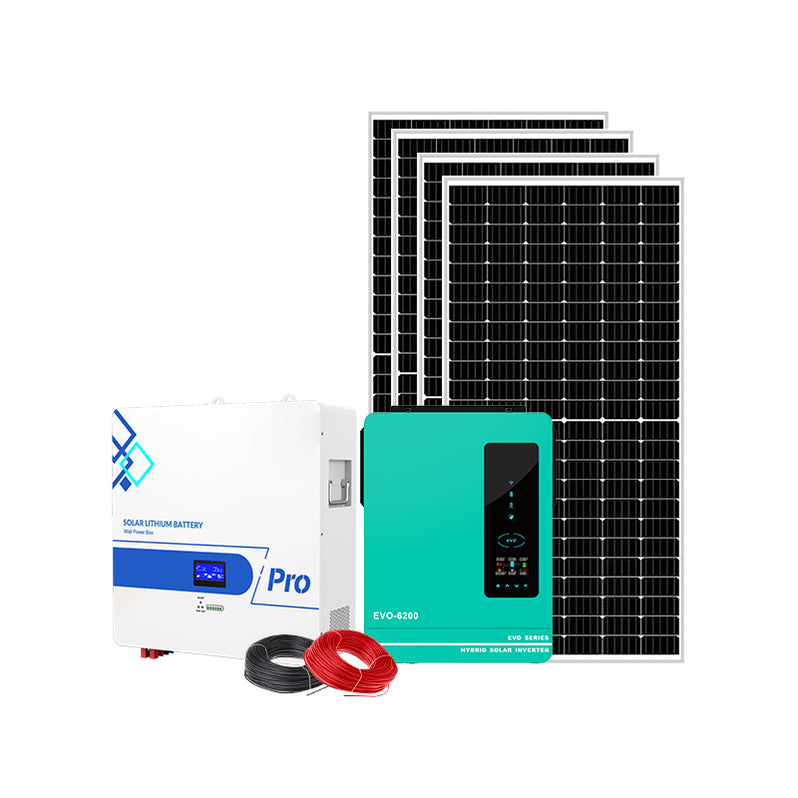
Energy storage systems are technologies that capture and store energy for use at a later time, thereby providing flexibility to the energy supply chain. Their primary purpose is to mitigate the gap between energy supply and demand, particularly during peak consumption periods. Various types of energy storage technologies exist, each with its own unique method of storing energy. Batteries, for instance, have gained popularity due to their versatility and efficiency. They can be used in everything from small-scale home systems to large grid installations. Pumped hydro storage, another popular method, operates by moving water between two reservoirs at different elevations; when energy is needed, water is released to generate electricity. Thermal storage, on the other hand, stores energy in the form of heat, which can be used later to produce electricity or for heating purposes. Understanding these technologies is crucial for grasping how energy storage systems contribute to a more resilient energy landscape.
Technological Innovations in Energy Storage
The realm of energy storage technology is continuously evolving, driven by the need for more efficient and sustainable solutions. Among the latest advancements are solid-state batteries, which promise greater energy density and safety compared to traditional lithium-ion batteries. These batteries utilize a solid electrolyte instead of a liquid one, reducing the risk of leaks and fires. Flow batteries are another exciting innovation, allowing for scalable storage solutions that can be charged and discharged simultaneously, making them ideal for large-scale applications. Moreover, the integration of artificial intelligence in managing energy storage systems is revolutionizing how we optimize energy use. AI algorithms can predict energy demand and adjust the charging and discharging cycles of storage systems accordingly, maximizing efficiency and minimizing costs. These technological advancements not only enhance the performance of energy storage systems but also pave the way for a more sustainable energy future.
Applications of Energy Storage Systems
The versatility of energy storage systems allows for a wide range of applications across various sectors. In residential settings, homeowners are increasingly adopting energy storage solutions to harness solar energy during the day and use it at night, effectively reducing their electricity bills. In commercial and industrial settings, these systems play a vital role in managing energy costs and providing backup power during outages. Additionally, energy storage is integral to the integration of renewable energy sources into the grid. By storing excess energy generated during peak production times, these systems help maintain grid stability and reliability. Furthermore, as electric vehicles become more prevalent, the need for charging infrastructure that incorporates energy storage is growing. This not only allows for efficient charging during off-peak hours but also enables the vehicle-to-grid technology, where EVs can supply energy back to the grid when needed. The applications of energy storage systems are extensive, highlighting their importance in modern energy strategies.
Benefits of Energy Storage Systems
Energy storage systems offer a multitude of benefits that extend beyond mere convenience. One of the primary advantages is cost savings; by allowing users to store energy when prices are low and utilize it during peak pricing periods, these systems can significantly reduce electricity expenses. Additionally, energy storage contributes to environmental sustainability by reducing reliance on fossil fuels, as stored renewable energy can replace traditional energy sources. This shift not only helps decrease greenhouse gas emissions but also fosters a cleaner, healthier environment. Furthermore, energy storage systems enhance the reliability of power supply, providing backup power during outages and improving the resilience of the energy grid. As more individuals and businesses integrate these systems, the cumulative effect leads to a more stable and sustainable energy ecosystem, underscoring the importance of energy storage in contemporary energy discourse.
Key Takeaways on Energy Storage Systems
In summary, energy storage systems are not just a technological trend; they are essential for achieving a sustainable energy future. From understanding their various types and technological innovations to recognizing their widespread applications and benefits, it's clear that energy storage plays a crucial role in modern energy management. As we continue to navigate the complexities of energy consumption and strive for a greener world, staying informed about these evolving technologies will empower us to make more sustainable choices. Embracing energy storage systems today means investing in a cleaner, more resilient tomorrow.