

Unlock the Secrets of Elevated Garden Beds: Transform Your Gardening Experience!
Elevated garden beds are becoming increasingly popular among gardening enthusiasts and novices alike. These innovative gardening solutions provide a host of benefits that make growing your favorite plants easier and more accessible. For those with mobility issues or limited physical strength, elevated garden beds offer a convenient way to nurture plants without the strain of bending over. Imagine being able to tend to your flowers or vegetables without the discomfort of back pain! This article aims to delve into the numerous benefits of elevated garden beds, explore various design options, and share best practices for making the most of this gardening trend.
Benefits of Elevated Garden Beds
One of the standout advantages of elevated garden beds is their ability to provide excellent drainage. Unlike traditional in-ground gardens, which can become waterlogged after heavy rains, elevated beds encourage excess water to drain away quickly. This creates a healthier environment for plant roots and reduces the risk of diseases associated with damp soil. Additionally, the soil quality in elevated beds tends to be superior. Gardeners can customize the soil mix to suit their specific plants, often resulting in richer, nutrient-dense soil that promotes robust growth.
Pest control is another significant benefit of elevated garden beds. By raising the plants off the ground, you can deter common garden pests like slugs and snails, which prefer to dwell in low, damp areas. Furthermore, elevated beds can be covered with netting or other barriers to protect against birds and larger animals. Extended growing seasons are another perk; the soil in elevated beds warms up faster in the spring, allowing gardeners to plant earlier and harvest later into the fall. Finally, for those who suffer from back strain or other physical challenges, elevated garden beds reduce the need for bending, making gardening a much more enjoyable and accessible hobby.
Design Options for Elevated Garden Beds
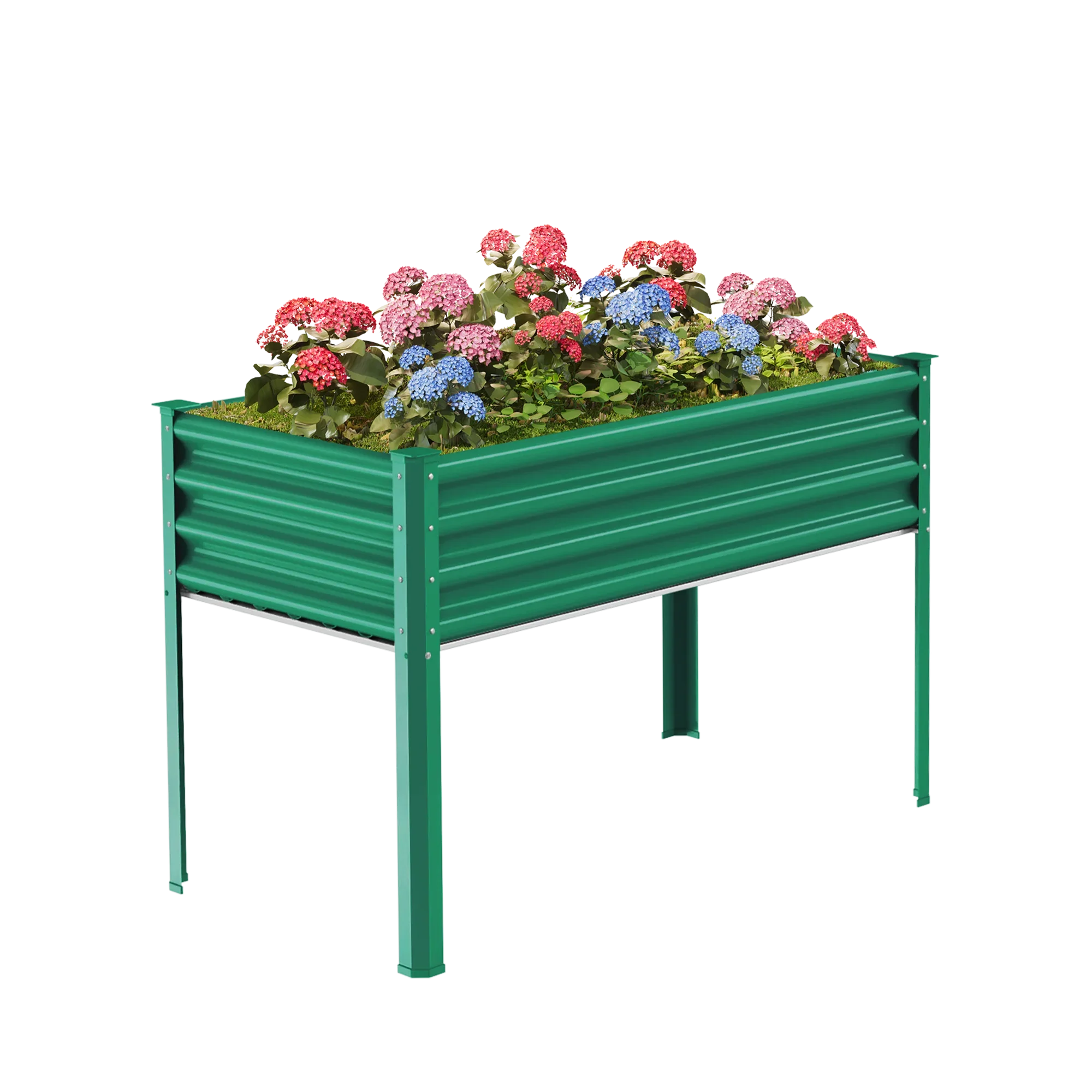
When it comes to designing elevated garden beds, the options are virtually limitless. One common choice is wooden beds, which blend seamlessly into most garden aesthetics. Cedar and redwood are popular wood types due to their natural resistance to rot and pests. For a more modern look, metal raised beds made from galvanized steel or aluminum add a sleek touch and can last for years without warping or weathering. Composite materials, which combine recycled plastics and wood fibers, are also gaining traction for their durability and eco-friendliness.
In terms of size and shape, elevated garden beds can be tailored to fit any space and gardening need. Long rectangular beds are ideal for growing rows of vegetables, while square or circular designs can serve as eye-catching focal points in a garden. Some gardeners even opt for tiered beds, creating a visually appealing display that maximizes space and creates a unique growing environment. Regardless of the materials or designs chosen, the key is to ensure that the beds are sturdy and well-constructed to withstand the elements.
Best Practices for Using Elevated Garden Beds
To ensure success with elevated garden beds, selecting the right soil is crucial. A mix of high-quality topsoil, compost, and organic matter will create a nutrient-rich foundation for your plants. Consider using a soil mix specifically designed for raised beds, which often includes amendments to improve drainage and aeration. Additionally, choosing the right plants is essential; some plants thrive better in elevated beds than others. Root vegetables like carrots and radishes may struggle in shallower beds, while herbs and leafy greens do exceptionally well.
Maintenance is another important aspect of using elevated garden beds. Regular monitoring of soil moisture is vital, as elevated beds can dry out more quickly than traditional gardens. Implementing a consistent watering schedule and using mulch can help retain moisture and regulate soil temperature. Fertilization should be approached with care; organic fertilizers are often the best choice to avoid chemical buildup in the soil. Seasonal preparation, such as rotating crops each year, can prevent soil depletion and pest infestations, ensuring your garden remains vibrant and productive for years to come.
Embrace the Benefits of Elevated Garden Beds
In conclusion, elevated garden beds offer a wealth of benefits, from improved drainage and soil quality to enhanced pest control and accessibility. With a variety of design options available and best practices to follow, incorporating these innovative gardening solutions can transform your gardening experience. Whether you are a seasoned gardener or just starting out, elevated garden beds can make your gardening endeavors more enjoyable and productive. So why not consider adding one to your garden today? Your back will thank you, and you'll be rewarded with a bountiful harvest!