

Transform Your Living Room into the Ultimate Home Gym Oasis!
Imagine stepping into your living room and finding not just cozy furniture and decor, but also a vibrant space dedicated to fitness and well-being. Transforming your living room into a home gym offers numerous benefits, including the convenience of working out whenever you please, without the hassle of commuting to a gym. It seamlessly integrates a healthy lifestyle into your daily routine, making it easier to stay active and motivated. A well-thought-out home gym not only serves its function but also enhances the overall aesthetic of your living space. By combining aesthetics with functionality, you can create an inspiring environment that encourages daily workouts while maintaining the warmth and comfort of your home.
Designing Your Home Gym Layout
Before diving into the world of home gym equipment, it’s crucial to assess the available space in your living room. Start by measuring the area you can dedicate to workouts. Consider zoning your living room to create a workout area without compromising the comfort of the rest of the space. For instance, you can use rugs to define workout zones or place fitness equipment in a corner that doesn’t obstruct foot traffic. One of my friends transformed her small living room by rearranging furniture to create an open space for yoga and weight training. She found that by moving her coffee table and using a folding screen, she could maintain a clear boundary between her workout area and the rest of the room. This zoning tactic not only helps in organizing the space but also makes it easier to switch between relaxation and exercise modes.
Choosing the Right Equipment
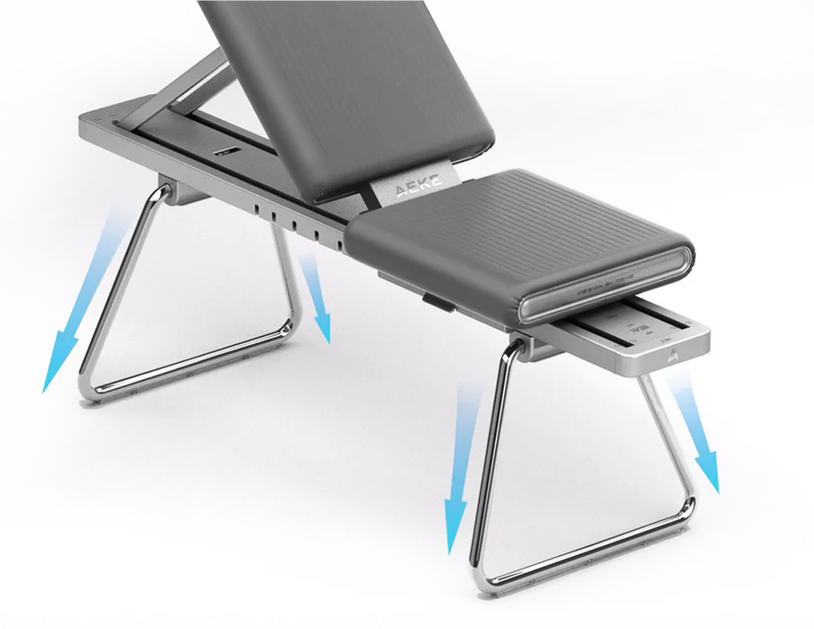
When it comes to selecting gym equipment for a living room, versatility and space-saving features are key. Opt for multifunctional items that can serve multiple purposes, such as resistance bands, adjustable dumbbells, or a compact workout bench that can double as extra seating. My cousin, who has limited space, swears by her foldable treadmill that she tucks away in a closet when not in use. Additionally, consider wall-mounted options like pull-up bars or weights that can be easily stored, keeping your living space uncluttered. The goal is to create a functional workout environment that enhances your living space rather than detracts from it.
Incorporating Aesthetic Elements
Blending gym equipment with your living room decor can be a fun and creative process. Choose a color scheme that complements your existing decor, such as soft pastels or neutral tones, to make equipment feel less obtrusive. Incorporate artwork that inspires you, whether it’s a motivational poster or a beautiful landscape that energizes your workout. Lighting also plays a significant role in creating an inviting atmosphere; consider adding soft lighting or bright overhead lights that can be adjusted depending on whether you’re relaxing or exercising. A friend of mine added colorful mats and vibrant cushions, making her home gym area an extension of her living room’s style, creating a harmonious blend of fitness and aesthetics.
Creating a Motivating Environment
Fostering a motivating workout environment is essential for maintaining consistency in your exercise routine. Start by personalizing your space with motivational quotes or images that inspire you to push through tough workouts. Music can also set the mood; consider creating a playlist that energizes you or investing in a portable speaker that can easily be moved around the house. Additionally, infuse your personality into the space with personal touches like framed photos from your fitness journey or a vision board outlining your health goals. These elements remind you of your commitment and encourage you to step into your workout zone every day.
Maintaining Functionality and Comfort
Comfort during workouts is paramount, and several factors contribute to creating a functional home gym. Start with the flooring; soft, cushioned flooring is ideal for high-impact workouts, while hardwood might be preferable for yoga or Pilates. Ensure proper ventilation by keeping windows open when exercising or using fans to circulate air. Temperature control is also crucial; too hot or too cold can discourage you from working out. My neighbor adapted her living room for various workouts by using a portable fan during cardio sessions and closing curtains for a calming atmosphere during yoga. By considering these comfort factors, you can create a space that is not only functional but also enjoyable to work out in.
Creating Your Home Gym Oasis
Transforming your living room into a home gym oasis is a rewarding endeavor that combines fitness with the comforts of home. By thoughtfully designing your layout, choosing the right equipment, incorporating aesthetic elements, creating a motivating environment, and ensuring comfort, you can enjoy a seamless blend of relaxation and exercise. Take inspiration from the ideas presented here, and embark on your journey to create a vibrant fitness space that motivates you to stay active and healthy, all within the comfort of your own home.