

Unlock the Secrets of Captivating Canvas Creations!
Canvas painting has surged in popularity over the last few decades, becoming a beloved medium for both aspiring and seasoned artists alike. This vibrant form of artistic expression allows individuals to explore their creativity, experiment with color, and convey emotions that words often fail to capture. Whether you’re a novice picking up a brush for the first time or an experienced artist looking to refine your skills, canvas painting offers a unique opportunity to unleash your imagination. The joy of transforming a blank canvas into a masterpiece is unparalleled, as it not only provides a sense of accomplishment but also serves as a therapeutic outlet for self-expression. In this article, we will delve into various techniques, styles, and tips that will help you navigate the enchanting world of canvas painting.
Understanding Canvas Painting Techniques
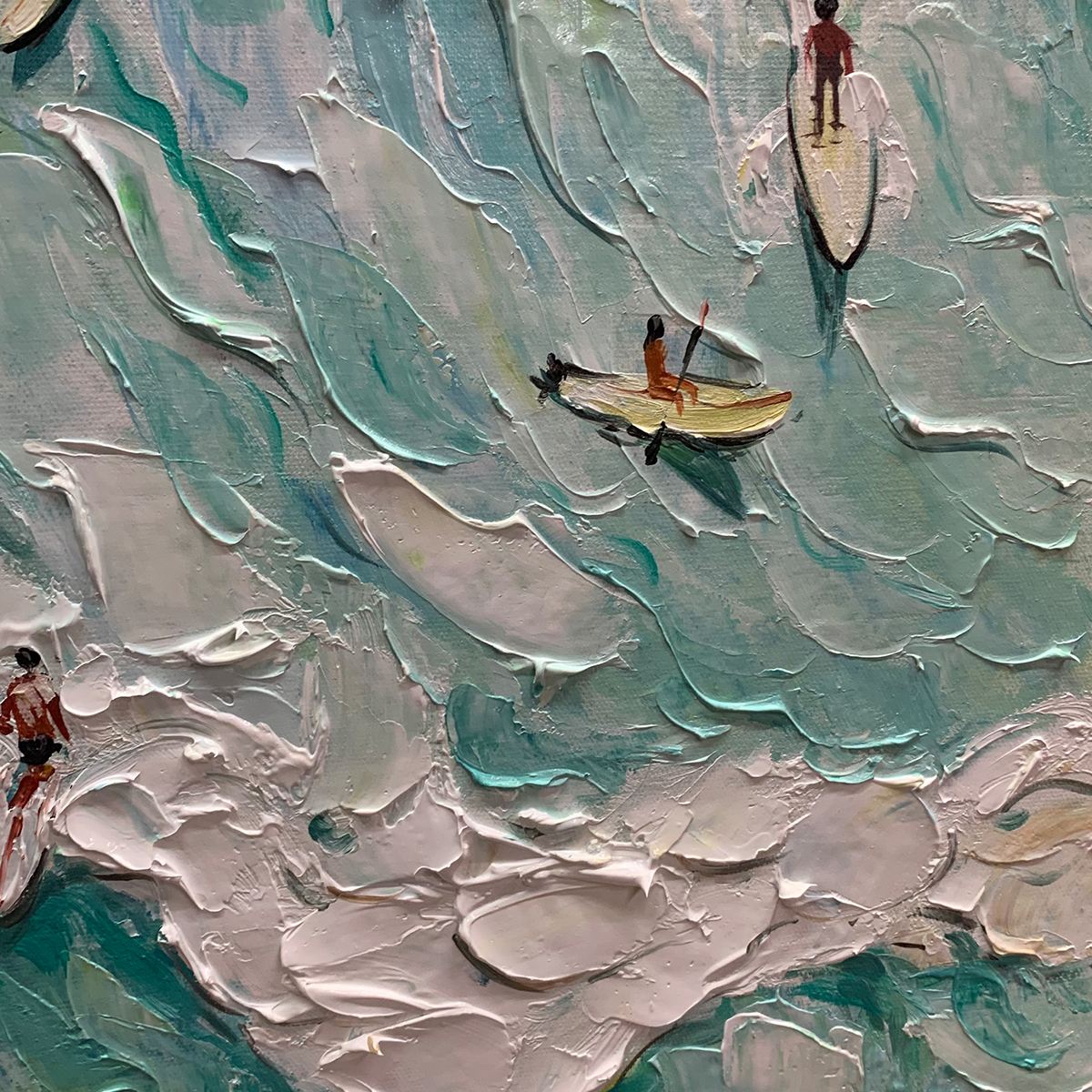
Canvas painting encompasses a variety of techniques that can dramatically affect the outcome of your artwork. One of the most fundamental techniques is layering, which involves applying multiple coats of paint to add depth and richness. By allowing each layer to dry before applying the next, artists can create intricate textures and a sense of dimensionality. Another popular technique is glazing, where thin layers of transparent paint are applied over dried paint to achieve luminous colors and subtle shifts in tone. This method is often used to enhance shadows and highlights, giving paintings a more dynamic quality. Lastly, the impasto technique involves applying thick layers of paint to create a three-dimensional effect. This approach allows for bold brushstrokes and a tactile quality that can make your artwork come alive. Each of these techniques offers unique possibilities and can be combined to create stunning visual effects on your canvas.
Exploring Different Styles of Canvas Painting
The world of canvas painting is rich with diverse styles, each with its own distinctive characteristics and appeal. Realism, for instance, aims to depict subjects as they appear in real life, emphasizing detail and accuracy. Artists who work in this style often spend considerable time perfecting their techniques to capture the essence of their subjects. On the other hand, abstract art breaks away from traditional representation, focusing instead on shapes, colors, and forms to convey emotions and ideas. This style invites viewers to interpret the artwork in their own way, making it a fascinating genre. Impressionism, with its loose brushwork and emphasis on light, captures the fleeting moments of everyday life, often portraying landscapes and scenes with a sense of spontaneity. Lastly, expressionism prioritizes emotional experience over physical reality, using bold colors and exaggerated forms to communicate feelings. Each style opens up a world of creative possibilities, allowing artists to explore different facets of their artistic voice.
Essential Tips for Beginners
Starting your journey in canvas painting can be both exciting and daunting. To set yourself up for success, it’s essential to choose the right materials. Invest in good quality brushes, paints, and canvases that suit your style and budget. Creating a dedicated workspace is another important step; a well-organized area with ample light and ventilation can enhance your painting experience. As a beginner, you may encounter challenges such as overcoming self-doubt or facing creative blocks. Remember, practice is key—don’t hesitate to experiment and make mistakes along the way. It’s also beneficial to seek out tutorials or join a local art class, where you can learn from others and gain confidence in your abilities. Surrounding yourself with a supportive community can provide the encouragement needed to persevere and grow as an artist.
Inspiration and Finding Your Unique Style
Inspiration can come from various sources, whether it’s nature, personal experiences, or the works of other artists. To cultivate your unique style, take time to explore different techniques and genres. Visiting art galleries, studying art history, or even participating in online art challenges can spark new ideas and perspectives. It’s important to remember that developing a personal style takes time and experimentation. As you continue to paint, you’ll naturally discover what resonates with you, leading to a more authentic expression of your creativity. Embrace the journey of self-discovery and allow your canvas to reflect your individuality.
Embracing the Art of Canvas Painting
In summary, canvas painting is a beautiful medium that allows for endless exploration and expression. By understanding various techniques, exploring different styles, and applying practical tips, you can embark on a fulfilling artistic journey. Remember, the most important aspect of canvas painting is the joy it brings you. So, pick up your brush, experiment with colors, and let your creativity flow. Your canvas is a blank slate, waiting to be transformed into your very own captivating work of art!