

Unlocking the Secrets of FDM 3D Printing: What You Need to Know!
In an age where innovation drives progress, FDM 3D printing has emerged as a game-changer across numerous industries. FDM, or Fused Deposition Modeling, allows for the creation of complex shapes and prototypes, making it a vital tool in sectors ranging from manufacturing to healthcare. This technology's growing popularity can be attributed to its versatility, accessibility, and cost-effectiveness. As a hobbyist and maker myself, I’ve witnessed firsthand the transformative power of FDM printing in my community, where enthusiasts and professionals alike are leveraging this technology to bring their ideas to life. In this article, we will dive deep into the meaning and principles behind FDM 3D printing technology, helping you unlock the potential of this fascinating field.
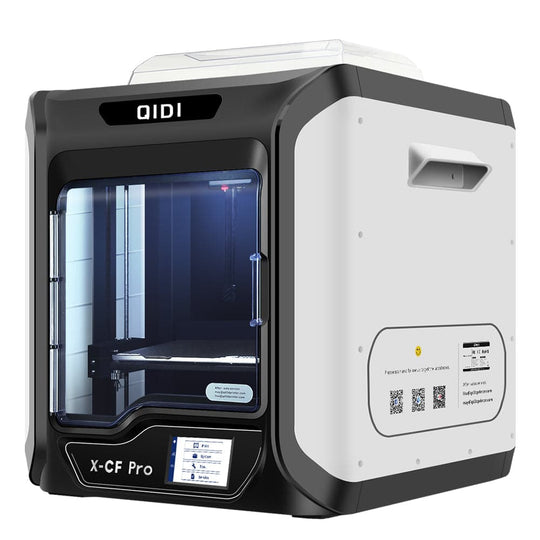
Understanding FDM 3D Printing
Fused Deposition Modeling (FDM) is a 3D printing technology that creates objects layer by layer through the extrusion of thermoplastic materials. The process begins with a digital 3D model, typically designed using CAD (Computer-Aided Design) software. The FDM printer heats and melts the thermoplastic filament, which is then deposited through a nozzle onto a build platform. As the material cools, it solidifies, forming a solid structure. This method differs from other 3D printing technologies such as SLA (Stereolithography), which uses liquid resin cured by UV light, or SLS (Selective Laser Sintering), which fuses powdered materials. FDM’s simplicity and affordability make it particularly appealing for both amateurs and professionals looking to prototype or produce functional parts.
How FDM 3D Printing Works
The FDM printing process can be broken down into several key steps: First, a 3D model is designed using CAD software or downloaded from online repositories. Once the model is ready, it is sliced into layers using slicing software, which prepares the file for the printer by determining the path the extruder will follow. Next, the printer heats the thermoplastic filament to its melting point, allowing it to be extruded through the nozzle. The nozzle moves along the designated path, depositing the material layer by layer onto the build platform. With each layer, the material cools and hardens, bonding to the previous layer. After the printing is complete, post-processing may be required, such as removing support structures or sanding the surface for a smoother finish. My friend, who runs a small prototyping business, often shares how this meticulous process allows for rapid iteration, making it easier to refine designs before mass production.
Applications of FDM 3D Printing
FDM 3D printing finds applications in a variety of fields, showcasing its versatility and effectiveness. In prototyping, engineers and designers use FDM technology to create functional models that help visualize and test designs before full-scale production. In education, schools and universities are adopting FDM printers to enhance learning experiences, allowing students to turn their ideas into tangible objects. The healthcare sector benefits from FDM printing by producing custom prosthetics and dental devices, tailored to individual patients' needs. Furthermore, in manufacturing, companies leverage FDM for low-volume production runs, reducing costs and lead times. For instance, a local hospital recently implemented FDM technology to create surgical models, enabling surgeons to practice complex procedures beforehand. This not only improved surgical outcomes but also significantly reduced operating time.
Benefits and Limitations of FDM 3D Printing
FDM 3D printing offers several advantages, making it a popular choice for both hobbyists and professionals. One of the most significant benefits is its cost-effectiveness; FDM printers are generally more affordable than other 3D printing technologies, and thermoplastic filaments are widely available and inexpensive. Additionally, the ease of use and accessibility of FDM printers allow individuals with minimal technical expertise to create complex designs. However, there are limitations to consider. Material restrictions can affect the properties of the final product, as not all thermoplastics are suitable for every application. Additionally, while FDM printing is excellent for rapid prototyping, the print quality may not match that of other methods, such as SLA, especially for intricate details. A friend of mine who frequently uses FDM for model-making often discusses the trade-off between speed and precision, emphasizing the importance of choosing the right technology for specific projects.
Key Insights on FDM 3D Printing
In summary, understanding FDM 3D printing is essential for anyone interested in exploring the possibilities of modern manufacturing and design. This technology not only facilitates rapid prototyping and functional part creation but also opens doors to innovative applications across various industries. As we continue to witness advancements in 3D printing technology, grasping the principles of FDM will empower individuals and businesses alike to harness its full potential. Whether you are a hobbyist, educator, or professional, the insights gained from FDM printing can significantly impact your projects and endeavors.